
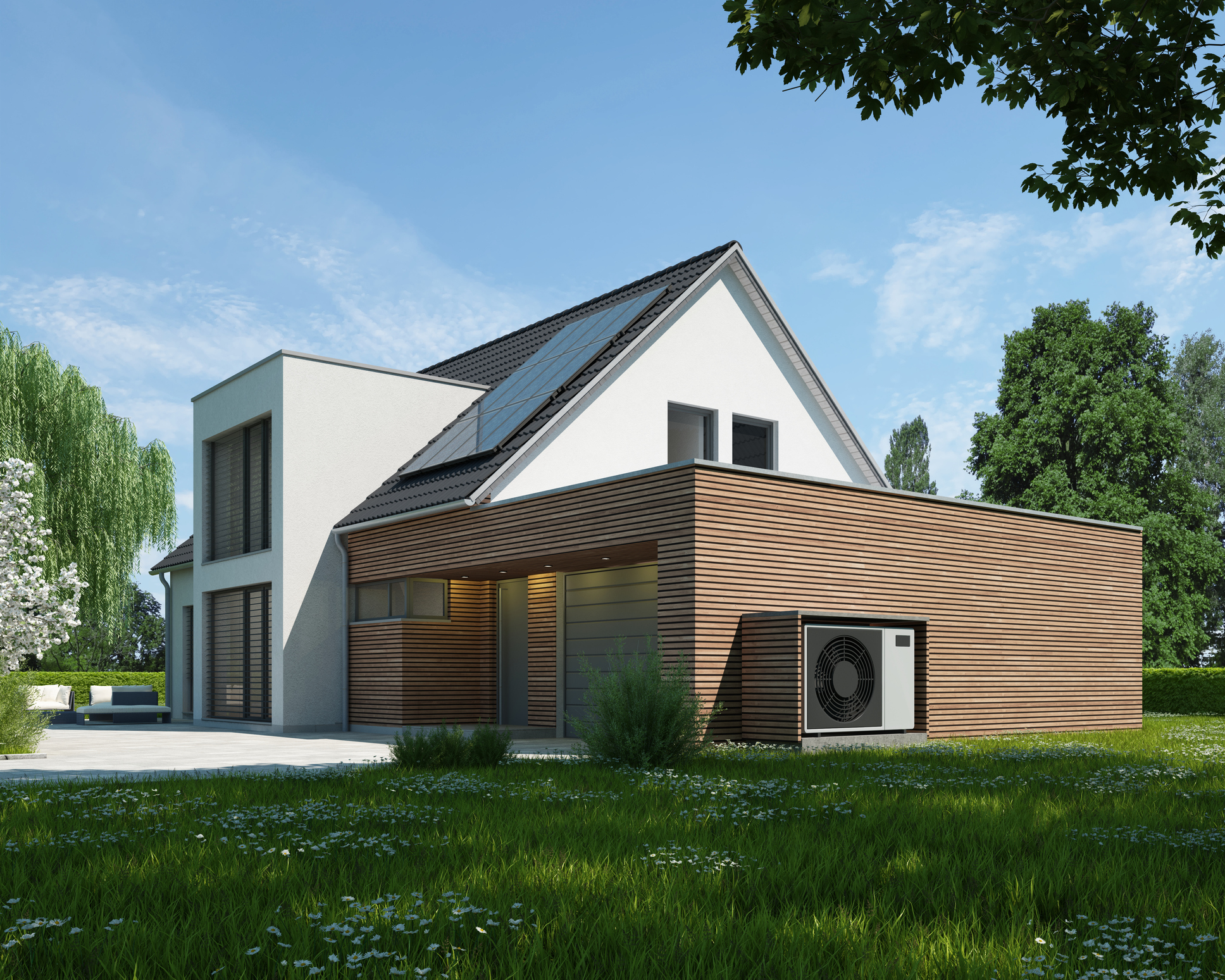
New Build Heat Pumps: Eco-Friendly Heating for Modern Homes
Heating is a fundamental part of any new home, but decisions made during the design stage can influence energy use, comfort, and running costs for many years. New build heat pumps provide an opportunity to incorporate efficient, low-carbon heating from the outset, rather than adapting the property later.
At Swift Renewables, we design and install heat pump systems for new builds and bespoke projects across the South West, working closely with homeowners, architects, builders, and contractors. In this article, we explore why heat pumps suit modern homes, how thoughtful design supports performance, and the long-term benefits they can provide.
What Makes Heat Pumps an Eco-Friendly Heating Solution?
Heat pumps work differently from conventional boilers. Rather than generating heat by burning fuel, they transfer naturally occurring heat from the surrounding environment into the property. Air source heat pumps extract heat from outside air, while ground source systems draw energy from the ground.
Because much of the heat delivered into the home comes from the environment, heat pumps can provide more heat energy than the electrical energy they consume. When installed in a well-designed property, this makes them an efficient option for space heating and hot water.
For new builds, some of the main advantages include:
- Reduced reliance on fossil fuels for heating
- Lower carbon emissions, particularly as electricity generation continues to decarbonise
- Efficient operation when paired with appropriately sized heating emitters
- Compatibility with other renewable technologies, including solar PV and battery storage
- No need for on-site fuel storage, which can be particularly useful in properties without access to mains gas
Choosing eco-friendly heating during the initial design stage also avoids the need to replace a newly installed fossil-fuel heating system later. A heat pump can instead form part of the home’s wider energy strategy from day one.
Designing a New Home Around a Heat Pump
One of the biggest advantages of specifying a heat pump for a new build is the freedom to design the property and heating system together. Rather than adapting existing pipework, radiators, or insulation, the entire system can be planned around efficient heat pump operation.
Good insulation and airtightness reduce heat loss, meaning less energy is required to maintain a comfortable indoor temperature. Accurate room-by-room heat loss calculations can then be used to determine the heating demand and specify a suitably sized heat pump.
Designing the Complete Heating System
Heat pumps generally perform most efficiently when supplying water at lower temperatures than a traditional boiler. This makes the choice and sizing of heat emitters particularly important.
Underfloor heating can work especially well in new builds because its large surface area allows it to provide consistent warmth using relatively low flow temperatures. Appropriately sized radiators can also be incorporated where they are better suited to the layout or requirements of individual rooms.
At Swift Renewables, we can consider the wider mechanical services at the design stage, including underfloor heating, central heating, hot- and cold-water systems, and mechanical ventilation with heat recovery (MVHR). Planning these elements together helps create an integrated system suited to the finished property.
Making Space for Equipment
Early planning also means practical requirements can be considered before construction progresses. The location of the outdoor heat pump unit, hot water cylinder, pipework, controls, and other equipment can all be incorporated into the plans.
This approach can help avoid compromises later in the project. It also allows architects, contractors, electricians, plumbers, and renewable energy specialists to coordinate their work while access is straightforward.
Energy Efficiency, Comfort and Long-Term Savings
A correctly designed heat pump system is about more than meeting the heating demand of a property. It can also contribute to a comfortable indoor environment while helping homeowners manage energy consumption over the longer term.
Modern new builds are particularly well suited to this approach because strong insulation and low heat loss can help maintain stable internal temperatures. Instead of repeatedly delivering short bursts of very high-temperature heat, a heat pump can maintain comfortable conditions efficiently over longer periods.
Potential benefits of a well-designed new build heat pump system include:
- Efficient heating tailored to the property’s calculated heat demand
- Consistent indoor temperatures throughout the home
- Reduced dependence on fossil fuels and exposure to their changing costs
- The opportunity to generate some of the electricity used by the heat pump through solar PV
- Greater control over energy use when solar PV is combined with battery storage
- A heating system designed with future energy requirements in mind
Looking Beyond the Initial Installation Cost
Running costs depend on several factors, including the property’s heat demand, heat pump efficiency, electricity tariff, system settings, and how the occupants use their heating and hot water. This is why system design is so important when assessing the long-term value of a heat pump.
For a new build, it makes sense to consider lifetime performance rather than focusing exclusively on the upfront price. Investing in insulation, suitable emitters, effective controls, and accurate system sizing can help the heat pump operate as efficiently as possible once the property is occupied.
There is also the opportunity to take a whole-home approach. Combining a heat pump with solar PV, battery storage, and suitable ventilation can help create a home that uses energy more efficiently while providing reliable comfort throughout the year.
Is a Heat Pump Right for Your New Build Project?
Heat pumps can be an excellent match for new homes, but every project should be assessed individually. Property size, construction method, insulation levels, available outdoor space, heating demand, hot water requirements, and the occupants’ priorities can all affect the most suitable solution.
The key is to involve the heating designer early. A system designed before key construction decisions are finalised can be properly integrated into the building, rather than treated as an additional component towards the end of the project.
At Swift Renewables, our process starts with understanding the project and its energy requirements before developing a tailored system design. We can then coordinate the supply and installation of the relevant technologies, helping homeowners and contractors manage the renewable energy elements of a new build more effectively.
This approach also creates opportunities to consider complementary systems from the beginning. Depending on the project, that could include solar PV, battery storage, MVHR, underfloor heating, hot- and cold-water services, and other elements alongside the heat pump.
Eco-Friendly New Build Heat Pumps from Swift Renewables
New build heat pumps are more than a way to satisfy modern energy standards. When the property and heating system are designed together, a heat pump can provide efficient, low-carbon heating, consistent comfort, and a strong foundation for a home built around modern renewable technologies.
At Swift Renewables, we design, supply, and install heat pumps and wider renewable energy systems for new builds and bespoke projects across the South West. If you’re planning a new home, contact our team to discuss your project today.
Our guide to residential renewable energy >
Here’s everything you need to know about air source heat pump installation >