
Your Guide to Residential Renewable Energy and Choosing the Right Renewable Installers
Residential renewable energy offers homeowners a smarter way to reduce energy costs, lower carbon emissions, and improve the efficiency of their properties. With energy prices continuing to fluctuate, more households are exploring renewable technologies that offer greater long-term control over how they power and heat their homes.
At Swift Renewables, we help homeowners make informed decisions about renewable energy systems that suit their property, budget, and lifestyle. In this article, we explain what residential renewable energy involves, the systems available, and the importance of working with experienced installers.
What is Residential Renewable Energy?
Residential renewable energy refers to systems that generate or manage energy using naturally replenishing sources. These technologies allow homeowners to reduce reliance on fossil fuels and traditional grid electricity while improving energy efficiency throughout the home.
Renewable energy systems can work independently or together as part of a wider home energy setup. Many households combine multiple technologies to improve performance and maximise savings.
The most common residential renewable energy systems include:
- Solar PV panels
- Air source heat pumps
- Ground source heat pumps
- Battery storage systems
- Solar thermal systems
- Electric vehicle charging points
These technologies help homeowners produce cleaner energy while reducing monthly utility costs. In many cases, renewable systems also increase property value and improve long-term energy security.
The right setup depends on several factors, including property size, insulation levels, energy usage, and future plans for the home. Working with an expert can help you get the best fit for your budget and needs.
Why More Homeowners are Switching to Renewable Energy
More households are investing in renewable energy because of rising energy costs and growing awareness around sustainability. Modern residential renewable energy systems are more efficient than ever, making renewable energy a realistic option for a wide range of properties.
Renewable technologies also help homeowners to future-proof their homes as energy regulations and environmental expectations continue to evolve.
Lower Energy Bills
One of the main reasons homeowners switch to renewable energy is the potential to reduce household running costs. Solar panels can generate electricity during daylight hours, while battery storage systems allow homeowners to store unused power for later use.
Heat pumps can also provide highly efficient heating and hot water compared to traditional systems. When installed correctly, renewable technologies can significantly lower energy consumption over time.
Reduced Carbon Emissions
Renewable energy systems help reduce dependence on fossil fuels, lowering household carbon emissions. This supports wider environmental goals while helping homeowners create more energy-efficient homes.
Many homeowners also value the opportunity to make long-term sustainable choices without compromising comfort or convenience.
Common Types of Residential Renewable Energy Systems
There are several available renewable technologies for residential properties, each offering different benefits depending on the home’s layout and energy needs.
Solar PV Panels
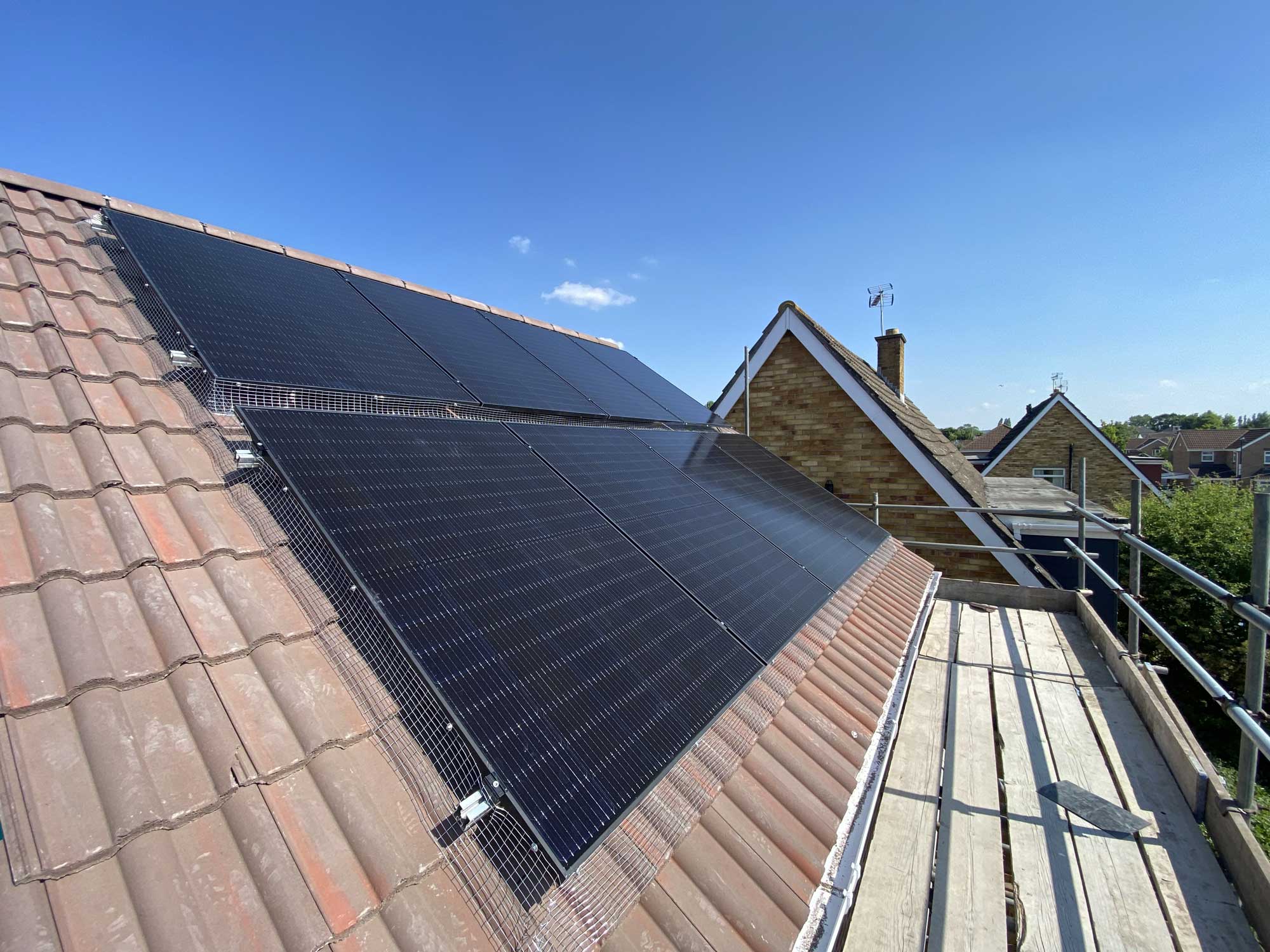
Solar photovoltaic panels convert sunlight into electricity that can be used throughout the home. They are one of the most popular residential renewable energy solutions because they can help offset electricity costs immediately.
Solar PV systems are particularly effective when combined with battery storage, allowing excess electricity to be stored rather than exported back to the grid.
Heat Pumps
Heat pumps extract heat from the air or ground to provide heating and hot water. They are highly efficient and can operate effectively throughout the year.
Benefits of heat pump systems include:
- Lower heating emissions
- Improved energy efficiency
- Reduced reliance on gas boilers
- Consistent indoor temperatures
- Long operational lifespan
Heat pumps work particularly well in well-insulated homes where heat loss is already minimised.
Battery Storage Systems
Battery storage systems allow homeowners to store unused electricity generated by solar panels. Stored energy can then be used during the evening or at times when electricity costs are higher.
Battery storage improves energy independence while helping homeowners maximise the value of their solar installation.
Why Choosing the Right Renewable Installers Matters
Renewable energy systems are a long-term investment, which is why choosing experienced renewable installers is essential. Poor installation can reduce efficiency, shorten equipment lifespan, and create unnecessary maintenance issues.
A professional installer should take the time to understand your property, energy usage, and future requirements before recommending a solution.
Reliable renewable installers should provide:
- Clear site assessments
- Transparent quotations
- Accredited installations
- Guidance on system performance
- Ongoing support and maintenance
- Advice tailored to your home
At Swift Renewables, we focus on designing systems that work efficiently for each property rather than offering one-size-fits-all solutions. Careful planning helps ensure homeowners achieve the best long-term performance from their renewable investment.
Questions to Ask Before Choosing a Renewable Installer
Before moving forward with any installation, homeowners should feel confident that their installer has the right experience and qualifications.
Asking the right questions can help you avoid unnecessary costs and ensure the installation process runs smoothly. Questions worth asking include:
- Are you accredited to install renewable systems?
- What systems are best suited to my property?
- What maintenance will the system require?
- How long is the expected payback period?
- What warranties are included?
- Can the system be expanded in the future?
A trustworthy installer should be open, transparent, and willing to explain how different systems work.
Common Mistakes Homeowners Make
One of the most common mistakes homeowners make is choosing a system based purely on price. While upfront cost is important, the cheapest option may not deliver the best long-term value or efficiency.
Another common issue is failing to consider how renewable technologies work together. For example, combining solar panels with battery storage often improves energy savings far more effectively than installing solar panels alone.
Homeowners also sometimes overlook insulation and overall property efficiency. Renewable systems perform best when homes are already energy efficient, so improving insulation can often enhance results significantly.
Rushing into installation without proper advice can also lead to poorly sized systems that do not fully meet the household’s energy needs.
Get Expert Advice on Residential Renewable Energy from Swift Renewables
Residential renewable energy offers homeowners a practical way to reduce energy bills, improve efficiency, and lower carbon emissions. Whether you are considering solar panels, battery storage, or heat pumps, choosing the right systems and installers is essential for long-term performance and reliability.
At Swift Renewables, we provide expert guidance and tailored renewable energy installations designed around your home and energy goals. Our team works closely with homeowners to deliver efficient, future-ready systems that support sustainable living while helping reduce long-term energy costs. Start your energy evolution by getting in touch.
Find out more about the maintenance needs of solar PV installations >
Here’s everything you need to know about your air source heat pump installation >